Value of Antiques
The value of
antiques is affected by several factors. Like any other
merchandise antique china value is subject to the demand and supply situation. Antiques that are
highly sought after but are scarce can usually command a better
price.
In individual situations another
factor is the value attributed to a specific antique by its owner, and the
price other collectors are willing to pay for it to obtain it for their collection. In other words, this is dependent on the demand and supply situation on the antique market.
Therefore, the actual value of an
antique may never be the same at two points in time, or in two or more
different sales locations.
What affects the value of antiques?
Chinese Ceramics, Pottery, Porcelain
The following are
decisive factors applying to value of antiques in general and/or antique china. (See details below)
- Age
- Quality of work and material
- Rarity
- Condition
- Market demand
- Manufacturer or kiln*
* Can be relevant with Chinese ceramics. Items from mainstream kilns generally command a higher value.
This is especially important with the ceramics of the Song and Yuan dynasties.
Selling/purchasing location affects price:
The
type of location or business where antiques are traded also
influences the antique china value. High-end or low-end antiques are usually
only available in certain locations where their high respectively low prices and the related quality are
acceptable to their respective customers. Antiques valued in the medium
range might be available in both.
Selling
venues
- Auction houses
- Antique shops
- Antique fairs
- Online stores
- Online auctions
- Online ad services such as Craig's List
- Consignment with an antique store
- Private sale
- Via newspaper ads
- Estate sales
- Thrift stores
- Flea markets
- Garage sales, yard sales
- Online auctions like Ebay, etc.
- Auctions (on offline or online*)
- Antique shops
*
Many of the larger auction houses now allow online bidding in addition
to in-house bidding. With some it is also possible to watch the auction process live, online.
As of now 2020/2021 many auction houses shift to a greater online auction presence and bidding online is becoming more common.
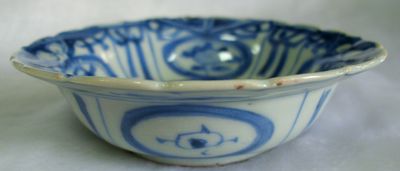
Researching the Value of Antiques
Details of factors affecting the value of antiques:
Age
The age of a
porcelain item may affect price, but not the way some novice
collectors may think.
Often age is affecting price only with
medium or high quality antiques. For example, crude porcelain used by
the common folks five hundred or a thousand years ago mau sometimes even have less value than an item of better quality made in the 19th century. Pottery items from the Han dynasty or earlier, more than
2000 years ago, are suitable for a museum, but may not necessarily
interest a private collector. They are a milestone of human history,
but not of an app ealing appearance. An appealing appearance is one
of the requirements porcelain collectors have.
Quality of work and
material
Collectors do prefer
a nice appearance, an elaborate painted decoration or interesting
glaze to a roughly painted
or plain color item. After all, it shall be presented in vitrines
or on shelves to visitors and other collectors, of just are for
pleasing the collector him/herself. Imperial wares are the best of
the times they were made in, both in view to quality and workmanship. Some private
kilns also were able to produce such high-quality wares. Export porcelain
made in the 17th to 19th centuries often ranges somewhere in between the
common wares and imperial porcelain in this respect, but they are
more affordable.
Rarity
Rare porcelain items
may command a higher price than more common wares, no matter how old
they are, but they still are subject to quality requirements. Even
rare items are only valuable if their workmanship is good enough to
appeal to collectors. Items that are related to or once belonged to
famous persons may be more valuable.
Condition
It is only natural
that the condition of an item affects its value. Broken or damaged
items, or an abraded on-glaze decoration will reduce value even if an
item is rare. Severely damaged items may be normal in a museum, but
should be the exception in a private collection.
Notable is,
however, that rare or very old items that are desirable to collectors
may still have value, some are even auctioned. For example, items
made in the Kangxi reign are considered highly collectable in China,
and Chinese collectors will pay fairly high prices for genuine but
slightly damaged Kangxi items.
Market demand
The more demand there is for an item the higher its value rises; but this depends also on whether the
supply is small or more than sufficient. In the latter case the value of an antique will likely remain low.
Manufacturer or kiln
This is more
important with pre-Ming porcelain. Items of the more widely known
kilns, or those which manufacturing for the imperial court,
respectively, would command a higher price, depending on other
circumstances above.
In the Ming and Qing dynasties items manufactured at the imperial kiln in Jingdezhen would be valued most, then the other kilns at Jingdezhen and Dehua kiln, probably. This does not exclude exceptional items of other, non-mainstream kilns.
Export porcelain painted in Canton may be different. Those porcelains were first fired in Jingdezhen and the blanks then transported to Canton, where they were decorated and then exported.
Item
Condition, Rarity and Age:
With porcelain the
value of antiques is also affected by their condition, the same way as with other antiques. However, age and
rarity may lead to exceptional acceptance of minor damage
by collectors.
This is especially the case with Chinese
porcelain.
Minor damage of Ming dynasty (1368~1644) porcelain, for example, is often more acceptable
than if the same condition were found in late Qing dynasty (1644~1911) or republican
porcelain.
While
minor damage also decreases the value of
antique
Ming items somewhat, if compared to similar Ming pieces in perfect
state, slight damage appears to be more acceptable than with the much
'younger' Qing dynasty and later porcelains.
Due to the scarcity of good Ming
items
the overall antique china value of slightly damaged Ming items is often perceived as
higher than
that of equivalent but more recent porcelain items in perfect state.
But,
it is wrong to assume that the higher the age of an antique, the more
it is worth. Age always goes hand in hand with quality when it comes to pricing.
A finely
worked or decorated antique that is only a hundred years old may be
valued higher by collectors than a simple, utilitarian item with little
decoration, that was made several hundred years ago. Sometimes, even if
quality is approximately the same, the older item may have a lower
collecting value than one that is less old, but rare.Sometimes
collectors specialized on a certain category of antiques may will pass
the opportunity of an older item in order to obtain that rare,
difficult-to-find object still missing in his/her collection.
Collecting Tendencies:
Collectors in China have a tendency to collect Chinese taste porcelain (porcelain made primarily for use in China). They generally value export porcelain less, although in recent years demand for it has been rising, due to insufficient availability of quality domestic porcelain.
Western collectors, on the other hand, are readily collecting plates, which are usually the farthest down on the wish list of Chinese collectors. In China decorative items like vases, jars, pots, etc. are most sought after. Using plates for decoration purposes was relatively unknown until more recent times. There is a second reason to this: plates (dishes) and bowls are more plenty, as people have always needed such items for eating, etc., while decorative porcelain may not have been affordable by many, in the old times. This also reflects in its pricing - again, this situation appears to be changing slowly.
Antique Valuation
| About | Queries | Disclaimer | Privacy Policy | Sitemap | Sponsorship Policy |
